The Many Stages of Grief – and Why They Don’t Always Follow a Set Order

The Many Stages of Grief – and Why They Don’t Always Follow a Set Order
When we lose someone we love, grief can feel overwhelming. It can come in waves, shift in intensity, and sometimes seem to fade—only to return unexpectedly. Many of us have heard about the “stages of grief,” but in reality, grief rarely unfolds in a neat, predictable sequence. It’s deeply personal, and no two people experience it in exactly the same way.
The Classic Stages – and Where They Come From
The most well-known model of grief comes from Swiss-American psychiatrist Elisabeth Kübler-Ross, who in 1969 described five stages: denial, anger, bargaining, depression, and acceptance. Her model was originally based on conversations with terminally ill patients, but it was later applied more broadly to those mourning a loss.
While this framework has helped many people make sense of their emotions, it was never meant to be a strict roadmap. The stages aren’t steps to be completed in order, but emotional states that can appear, disappear, and reappear over time. Grief is not a checklist—it’s a process that moves in its own rhythm.
Læs også:


The Many Faces of Grief
Grief can manifest in countless ways—emotionally, physically, and socially. Some people feel deep sadness, others anger, guilt, or even numbness. For some, grief is a quiet undercurrent; for others, it dominates every part of life.
- Emotionally, grief can bring waves of shock, longing, relief, anger, or love.
- Physically, it can cause fatigue, insomnia, headaches, or changes in appetite.
- Socially, some people withdraw, while others seek closeness and connection.
There is no “right” way to grieve. What matters most is recognizing that all reactions are normal responses to an abnormal situation.
Why Grief Doesn’t Follow a Set Order
The course of grief depends on many factors: your relationship with the person who died, the circumstances of the loss, your past experiences, and your personality and life situation. Two people mourning the same person may experience their grief in completely different ways.
Some may feel acceptance early on, only to be hit later by intense sadness. Others may feel anger long after they thought they had “moved on.” Grief is fluid—it loops back on itself, revisiting old emotions. This doesn’t mean you’re failing to heal; it simply means that grief isn’t linear. It’s a process of revisiting, relearning, and slowly rebuilding.
Living With Grief – Not Getting Over It
A growing understanding among grief counselors and psychologists is that we don’t necessarily “get over” a loss—we learn to live with it. Over time, grief changes shape. It may move from being all-consuming to becoming a quieter part of your life story.
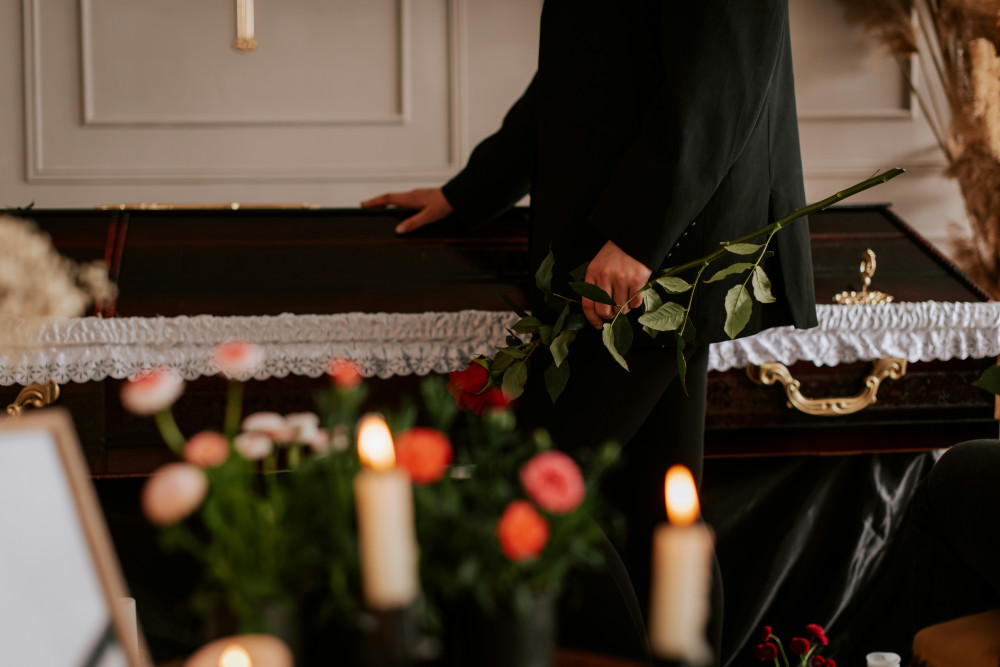
Many people find comfort in maintaining a continuing bond with the person they’ve lost—through memories, rituals, or small acts of remembrance. Lighting a candle, visiting a meaningful place, or talking about your loved one can bring peace and connection. These gestures don’t hold you back; they honor the love that remains.
When Grief Becomes Too Heavy
For most people, grief gradually softens. But for some, it can become stuck and overwhelming. If months or years later you still feel paralyzed, isolated, or unable to find meaning in life, it may be a sign of complicated grief. In such cases, professional support—from a therapist, counselor, or grief support group—can make a real difference.
Seeking help isn’t a sign of weakness; it’s an act of self-care. Grief is a natural response to love, but healing often requires time, patience, and community.
Finding Your Own Path Through Grief
There is no universal path through grief. Some people need to talk; others need to act. Some find solace in nature, art, or faith. The most important thing is to give yourself permission to grieve in your own way—without comparing yourself to others or feeling pressured to meet certain expectations.
The stages of grief aren’t a formula to follow, but a language to help us understand what we’re feeling. And perhaps it’s in recognizing that grief doesn’t follow a set order that we find the freedom to heal—at our own pace, in our own way.
Læs også: