Gravesites in Denmark: Differences in Types, Expressions, and Maintenance
Gravesites in Denmark: Differences in Types, Expressions, and Maintenance
A gravesite in Denmark is more than a final resting place—it is a space for remembrance, reflection, and cultural expression. Danish cemeteries display a wide variety of burial types, reflecting personal wishes, local traditions, and changing societal values. From traditional family plots surrounded by hedges to modern communal lawns and forest burial grounds, the diversity is striking. This article offers an overview of the most common types of gravesites in Denmark, their appearance, and how they are maintained.
Traditional Gravesites – Personal and Distinctive
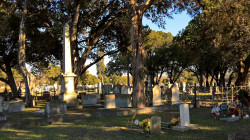
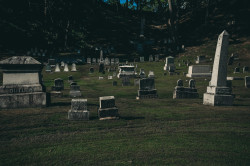
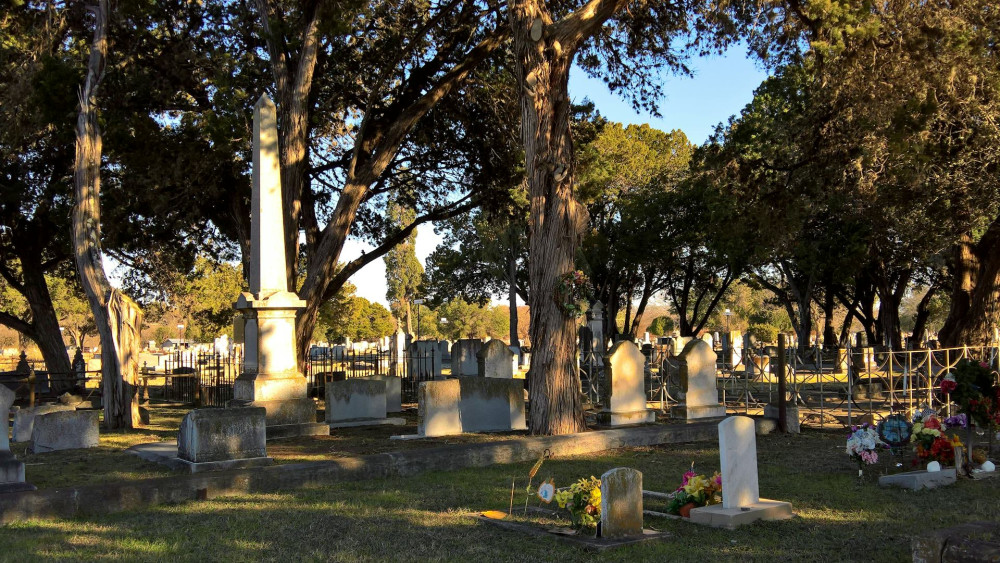
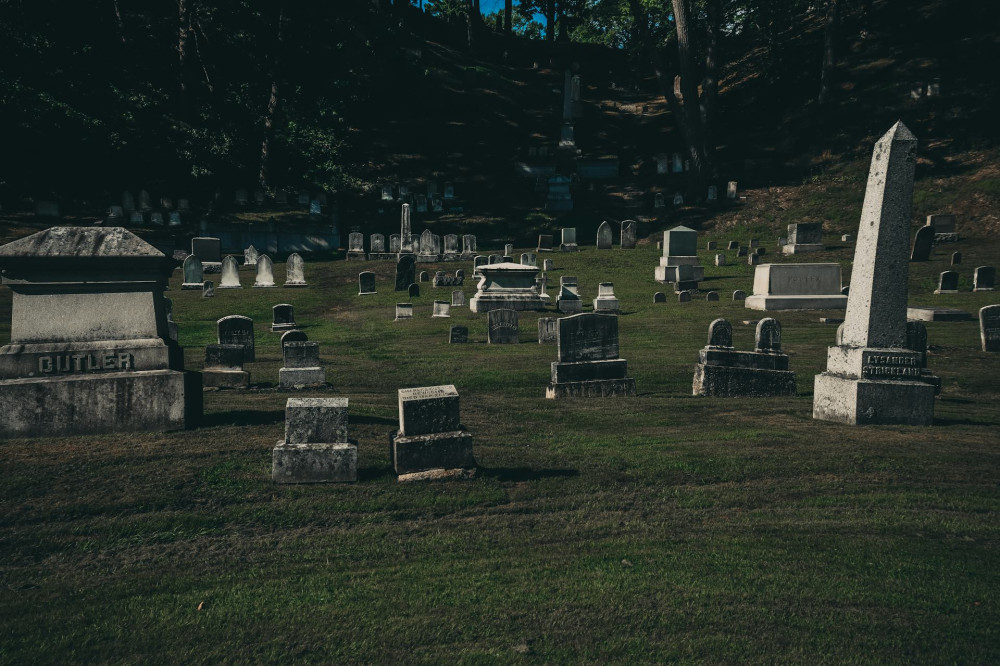
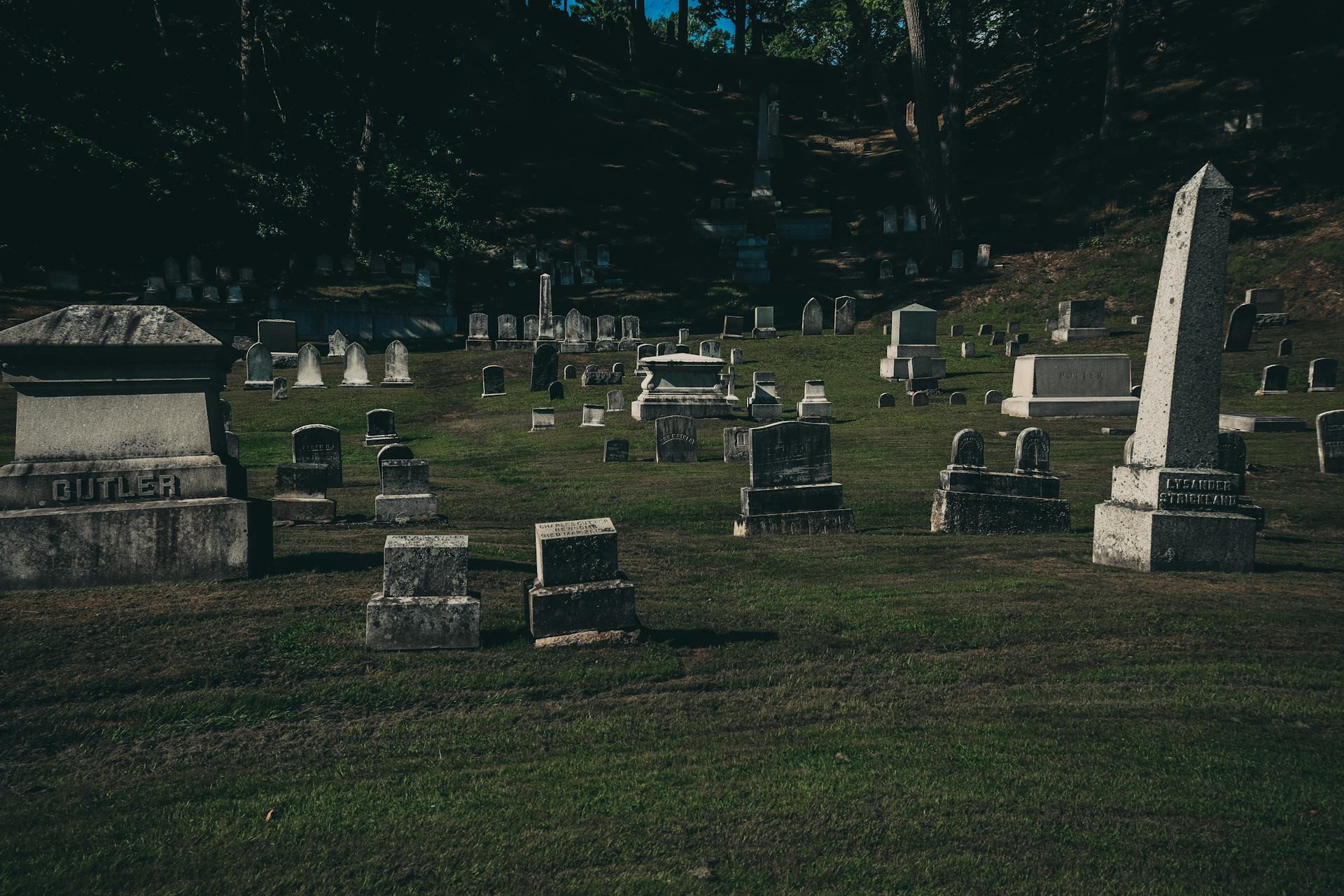
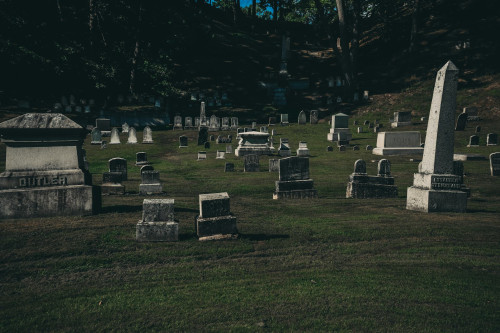
The traditional Danish gravesite is often what visitors first imagine when thinking of a churchyard in Denmark. These are individual or family plots, typically bordered by low hedges and marked with a headstone engraved with the name, dates, and sometimes a short inscription or symbol.
These gravesites allow for a high degree of personalization. Some families prefer a simple stone and modest planting, while others decorate with colorful flowers, small ornaments, or plants that held special meaning for the deceased.
Maintenance of traditional gravesites requires regular care—removing weeds, trimming plants, and cleaning the stone. Many cemeteries offer maintenance agreements, where staff take care of upkeep for an annual fee, ensuring the site remains tidy and respectful.
Læs også:

Communal and Lawn Graves – Simplicity and Shared Space
In recent decades, many Danes have chosen simpler burial options. Communal graves and lawn graves are increasingly popular, offering a minimalist and uniform appearance. Here, graves are placed in a shared grassy area, often with identical stones or name plaques.
These communal lawns create a calm, harmonious atmosphere and require little individual maintenance. The cemetery staff handle mowing and general upkeep, making this type of gravesite appealing to those who do not wish to leave maintenance responsibilities to family members.
Some communal graves are anonymous, while others feature a shared memorial stone listing the names of those buried there. This approach emphasizes equality and togetherness, even in death.
Urn Graves – Small but Meaningful
Cremation has become more common in Denmark, and cemeteries have adapted accordingly. Urn graves are smaller than traditional casket graves but can still be personalized. They may be part of a family plot, a lawn section, or a dedicated urn field.
Many families choose a modest stone and low planting, creating a peaceful and easily maintained site. Urn graves appeal to those who prefer a discreet memorial but still value having a physical place to visit and remember.
Forest and Natural Graves – Returning to Nature
A growing trend in Denmark is the establishment of forest and natural burial grounds. These sites are located in wooded areas, meadows, or other natural landscapes. Instead of traditional headstones, small name markers or natural stones are used, blending into the surroundings.
The idea is to create a serene, environmentally friendly resting place where the deceased becomes part of nature’s cycle. Maintenance is minimal, as the area is preserved in its natural state, and individual decorations or plantings are usually not allowed.
This type of gravesite appeals to those who wish for a sustainable, simple farewell without ongoing upkeep.
Cultural and Religious Diversity
Although most Danish cemeteries are affiliated with the Evangelical Lutheran Church, Denmark’s national church, there are also burial grounds for other faiths and cultural groups. Muslim graves, for example, are oriented toward Mecca, while Jewish cemeteries follow their own traditions regarding symbols and gravestones.
These differences reflect Denmark’s growing cultural diversity and the country’s efforts to accommodate various beliefs and burial customs. Many municipalities now plan cemeteries with dedicated sections for different faiths, ensuring that everyone can be laid to rest according to their traditions.
Maintenance and Responsibility
By law, a gravesite in Denmark must be kept in good condition throughout its “protection period,” which typically lasts 20–30 years for casket graves and 10–20 years for urn graves. Families can choose to maintain the site themselves or enter into a maintenance agreement with the cemetery.
Such agreements can include everything from mowing and planting to cleaning the headstone. If a gravesite is neglected, the cemetery may eventually take over its care and, after the protection period ends, reclaim the plot for future use. For this reason, families are encouraged to consider both their wishes and their ability to maintain the site over time.
A Place for Memory and Peace
Regardless of type, every gravesite in Denmark serves as a place where memories live on. Some find comfort in visiting and decorating the grave, while others take solace in knowing that nature quietly tends the resting place.
Danish gravesites reflect both tradition and change—from classic, hedge-lined family plots to modern natural burial grounds. What unites them all is the desire to create a dignified and meaningful space for farewell and remembrance.
Læs også: