A Final Farewell: What a Typical Funeral Service Is Like

A Final Farewell: What a Typical Funeral Service Is Like
A funeral is one of life’s most meaningful ceremonies—a moment when family and friends gather to honor and say goodbye to someone who has touched their lives. While every farewell is unique, most funerals in the United States follow a general structure that blends tradition, personal expression, and respect. Here’s an overview of what a typical funeral service is like, from the planning stages to the final goodbye.
Before the Service: Planning and Decisions
When a loved one passes away, the immediate family usually works with a funeral director to plan the service. This process involves both practical and personal decisions, such as:
- Should the deceased be buried or cremated?
- Will the service take place in a church, funeral home, or another location?
- Who will officiate—a minister, priest, rabbi, or a secular celebrant?
- What music, readings, or prayers will be included?
- Will there be personal tributes, such as eulogies, photo displays, or video montages?
Many families follow the wishes of the deceased if they were expressed in advance, while others make choices that feel right for those left behind. The funeral director helps coordinate the details—from arranging transportation and flowers to preparing printed programs and contacting the officiant.
Læs også:


The Funeral Service
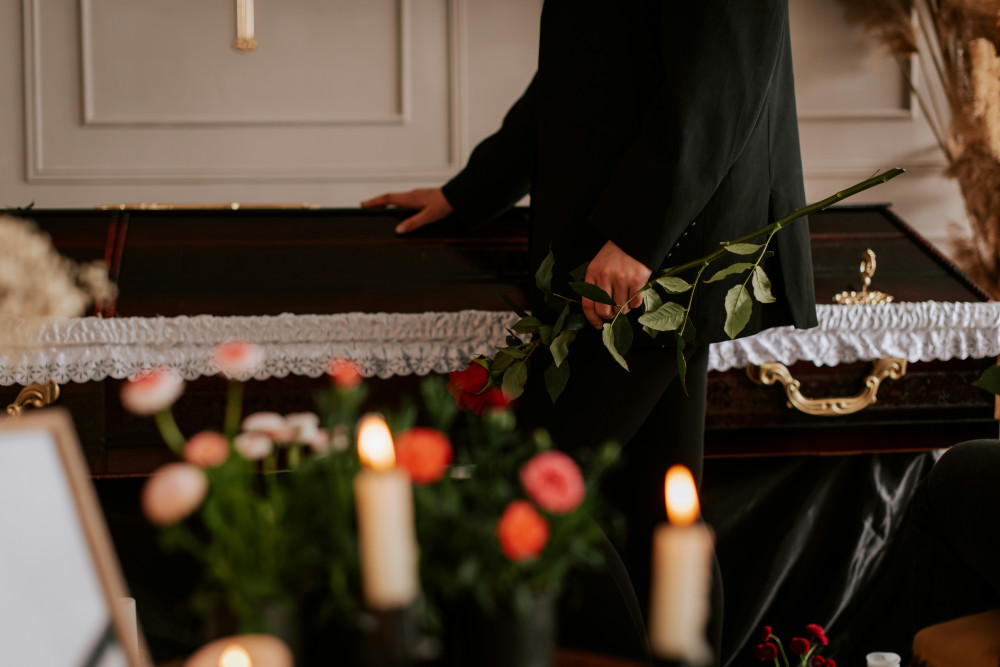
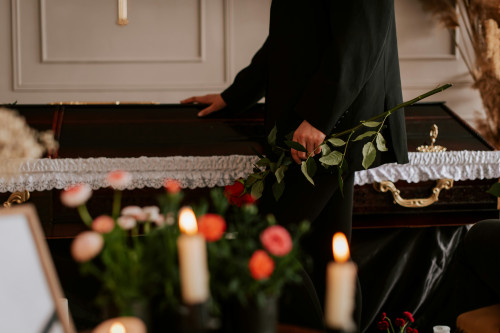
A typical funeral service in the U.S. lasts about 30 to 60 minutes. If held in a church or place of worship, the service is usually led by a clergy member who opens with words of welcome and prayer. The officiant often shares reflections on the person’s life, offering comfort and hope to those in mourning.
Music plays an important role. Some families choose traditional hymns, while others prefer contemporary songs or instrumental pieces that held special meaning for the deceased. Readings from scripture, poetry, or literature may also be included, often read by family members or close friends.
In non-religious or “celebration of life” services, the tone may be more personal and flexible. A family member, friend, or professional celebrant might lead the ceremony, sharing stories, photos, and music that reflect the individual’s personality and values. These services can take place in a funeral home, community center, or even outdoors.
The Committal or Final Goodbye
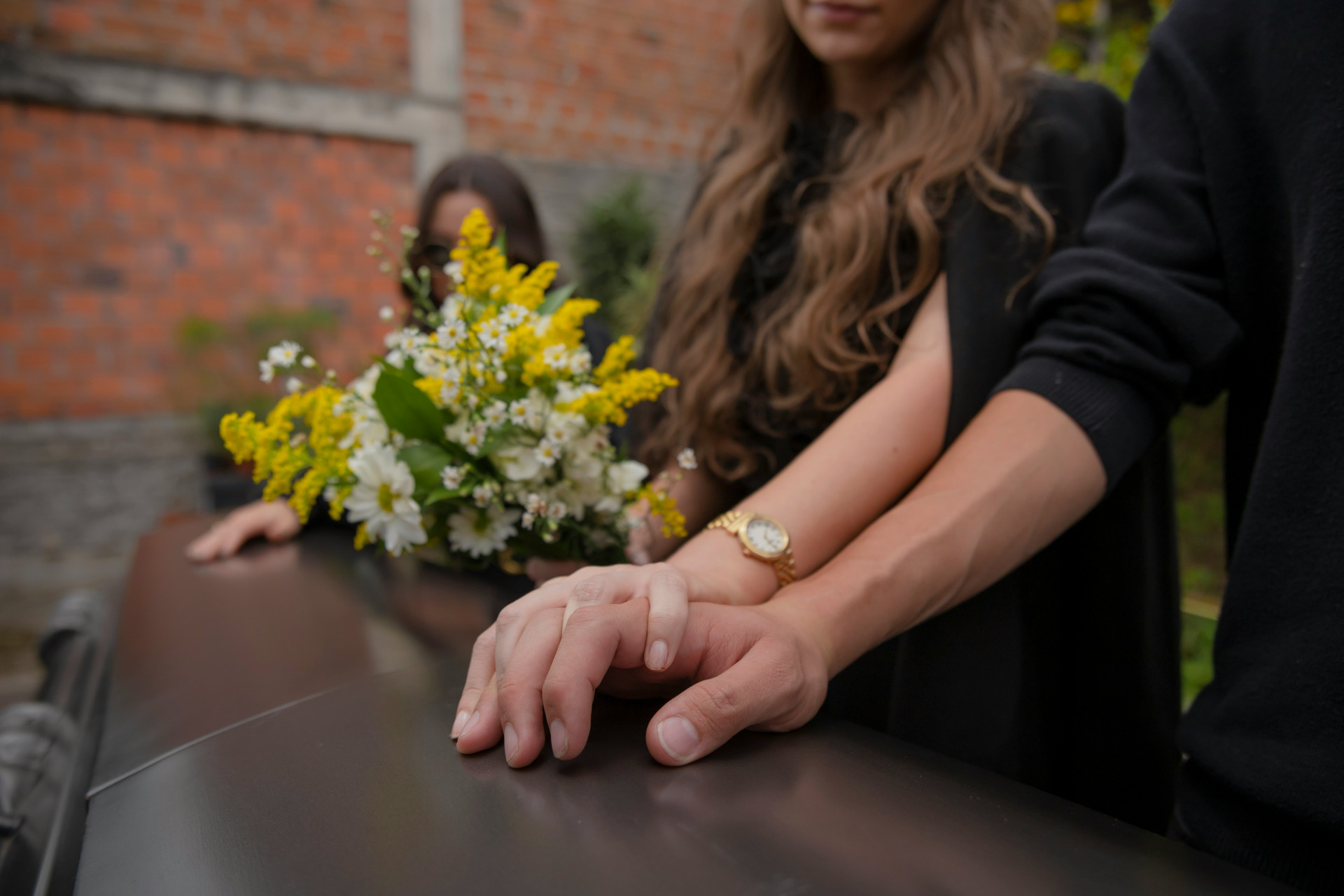
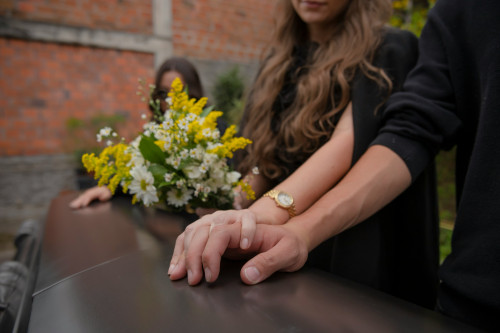
After the main service, there is often a committal service at the graveside or crematory. For a burial, the casket is lowered into the ground, and the officiant may offer a short prayer or blessing. Family members sometimes place flowers or handfuls of earth on the casket as a final gesture of farewell.
For cremations, the casket is taken to the crematory after the service. The ashes are later placed in an urn, which may be buried, kept in a columbarium, or scattered in a meaningful location—depending on the family’s wishes and local regulations.
After the Service: Gathering and Remembrance
Following the ceremony, it’s common for family and friends to gather for a reception or repast. This may take place at a church hall, community center, restaurant, or private home. Food is shared, stories are told, and memories are exchanged in a more relaxed setting.
This time together is an important part of the grieving process. It allows people to support one another, celebrate the life that was lived, and begin to find comfort in shared remembrance.
The Gravesite and Ongoing Memory
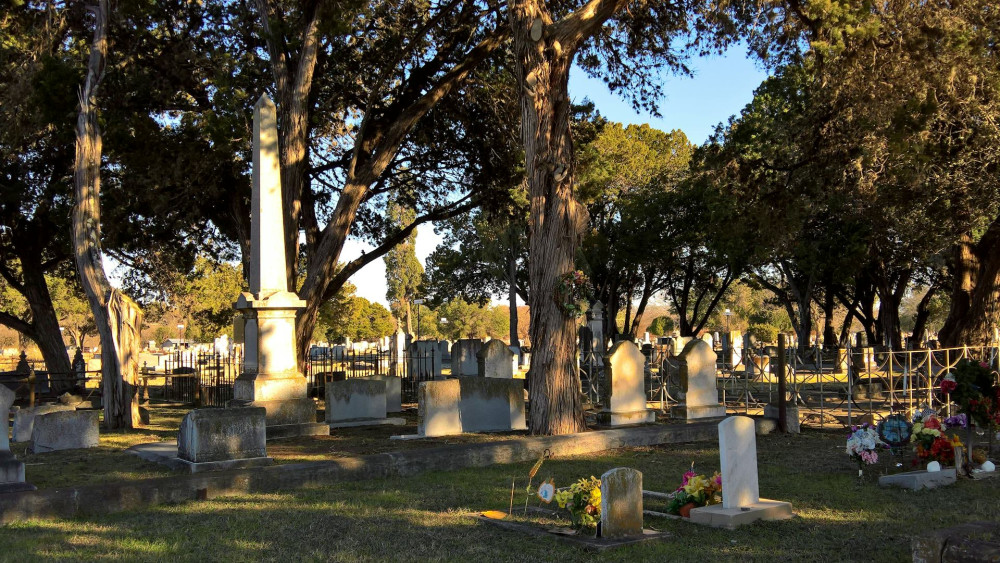
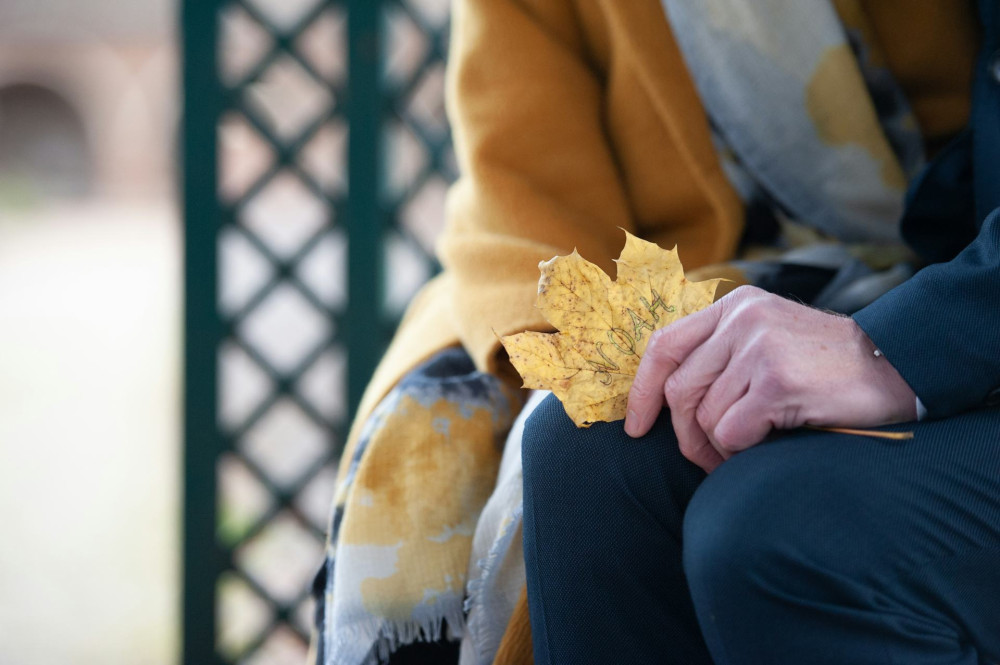
In the weeks and months after the funeral, the gravesite or memorial location often becomes a place of reflection. Some visit regularly, bringing flowers or small tokens, while others return on special dates such as birthdays or anniversaries.
For those who choose cremation, remembrance may take other forms—keeping a small urn at home, creating a memorial garden, or holding an annual gathering in honor of the loved one. However it’s done, these acts of remembrance help keep the person’s memory alive.
A Farewell Filled with Love and Meaning
A funeral is not only about saying goodbye—it’s also about saying thank you. It’s a moment to honor a life, to express love, and to find comfort in community. Whether traditional or modern, religious or secular, large or intimate, the purpose remains the same: to create a meaningful farewell that helps the living begin to heal while keeping the memory of the departed close to their hearts.
Læs også: