The Chemistry of Flavor: How Heat and Browning Develop Depth and Complexity in Food

The Chemistry of Flavor: How Heat and Browning Develop Depth and Complexity in Food
When you set a skillet on the stove and hear the first sizzle of butter meeting hot metal, you’re witnessing one of the most fascinating chemical transformations in the kitchen. Cooking isn’t just about making food safe to eat—it’s a process that reshapes ingredients at the molecular level, creating new colors, aromas, and flavors. Behind every golden crust and roasted aroma lies a world of chemistry that gives food its depth and character.
The Maillard Reaction – When Sugar Meets Protein
One of the most important flavor-building processes in cooking is the Maillard reaction. It occurs when amino acids (from proteins) and reducing sugars react at temperatures above about 285°F (140°C). This reaction produces hundreds of new compounds that together form the complex flavors we associate with seared steak, toasted bread, and roasted coffee.
The Maillard reaction is what gives a burger its brown crust, a loaf of bread its fragrant shell, and roasted nuts their deep, nutty aroma. You’ll also find it in chocolate, beer, and even roasted vegetables. The longer and more carefully the reaction is controlled, the richer and more layered the flavor becomes.
Caramelization – Sweetness with an Edge
While the Maillard reaction requires both sugar and protein, caramelization involves sugar alone. When sugar is heated to around 320°F (160°C), it begins to break down and form new compounds that create a golden color and a complex flavor profile—sweet, slightly bitter, and subtly tangy.
Caramelization is what happens when you slowly brown onions or melt sugar on top of a crème brûlée until it hardens into a crisp shell. It’s a delicate balance: too little heat, and the flavor stays flat; too much, and the sugar burns, turning harsh and bitter. Perfect caramelization demands patience and precision.
The Crust – A Concentration of Flavor
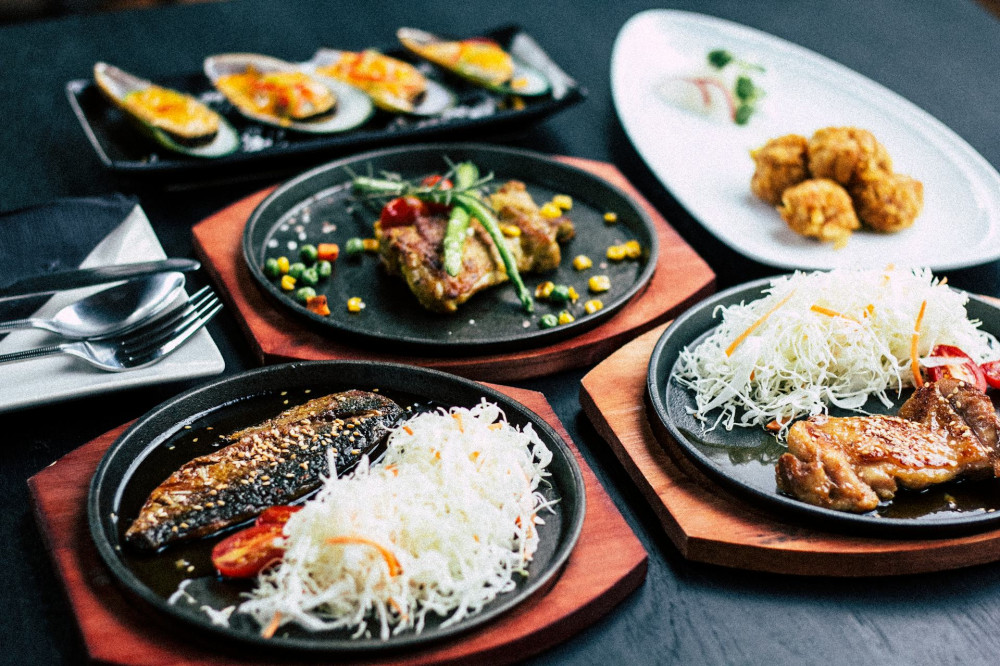
When you sear meat, you’re not just cooking it through—you’re creating a crust where flavor is concentrated. This browned surface is the result of both the Maillard reaction and caramelization working together. The crisp exterior contrasts with the tender interior and adds a deep umami note that many people associate with truly satisfying food.
To achieve the best crust, make sure the surface of the food is dry and the pan is hot enough. If there’s too much moisture, the food will steam instead of sear, and you’ll lose that flavorful browning. That’s why chefs often pat meat dry before it hits the pan.
Heat as a Flavor Amplifier
Heat does more than change color and texture—it releases and intensifies flavor. As fats melt, they dissolve aromatic compounds; as proteins denature, they release new flavor molecules. At the same time, water evaporates, concentrating the taste of what’s left behind.
But heat can also destroy flavor if used carelessly. Too high a temperature can burn food and create bitterness, while too low a temperature can leave it bland and underdeveloped. Great cooking is about balance—giving ingredients enough heat to evolve, but not so much that they lose their essence.
Læs også:
The Chemistry of Aroma – When the Nose Joins the Feast
A huge part of what we call “taste” actually comes from smell. As food cooks, volatile aroma compounds are released into the air, carried by steam to your nose. These molecules are the chemical messengers that tell your brain something delicious is happening.
That’s why the smell of fresh bread or a roast in the oven is so irresistible—it’s not just anticipation, but a real chemical conversation between your food and your senses.
From Science to Everyday Cooking
The chemistry of flavor might sound like something for a lab, but it’s part of everyday cooking. Every time you brown butter, toast nuts, or roast vegetables at high heat, you’re applying the same principles that chefs and food scientists study.
Understanding what happens when heat meets food gives you more control over flavor—and turns simple ingredients into complex, memorable meals. That’s where cooking becomes more than a routine—it becomes an art grounded in science.
Læs også: