Eat Healthy as an Active Person – Without Expensive Specialty Products

Eat Healthy as an Active Person – Without Expensive Specialty Products
Eating healthy as an active person doesn’t have to be complicated or costly. Many people believe they need protein powders, energy bars, or supplements to get the most out of their workouts—but in reality, regular food can meet nearly all your nutritional needs. With a bit of planning and an understanding of how your body uses energy, you can eat well, perform better, and save money.
Everyday Food Can Be Sports Food
Your body needs energy, protein, carbohydrates, fats, and fluids—whether you’re running, cycling, or lifting weights. That means you can build a great diet from the same foods you already keep in your kitchen.
- Carbohydrates from potatoes, rice, pasta, bread, and fruit fuel your muscles.
- Protein from eggs, chicken, fish, beans, and dairy helps rebuild muscle after exercise.
- Healthy fats from nuts, seeds, avocado, and olive oil support hormone balance and recovery.
- Vegetables provide vitamins, minerals, and fiber to keep your body in balance.
You don’t need special products—just smart use of everyday ingredients.
Læs også:
Eat Right – Before, During, and After Exercise
Timing matters for performance and recovery. You don’t need a strict meal plan, but a few simple guidelines can make a big difference.
- Before exercise: Eat a meal with carbs and some protein 2–3 hours before, such as oatmeal with milk and fruit or a whole-grain sandwich with turkey and veggies.
- During exercise: For workouts under an hour, water is usually enough. For longer or more intense sessions, add a banana or a small amount of sports drink.
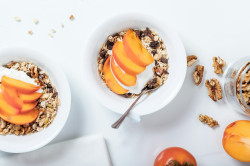
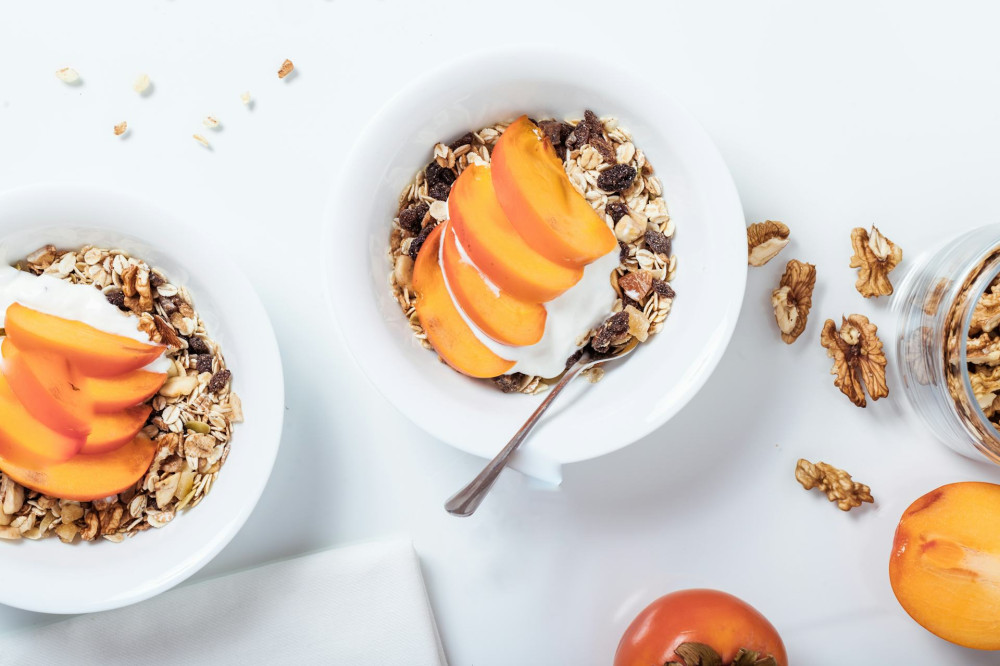
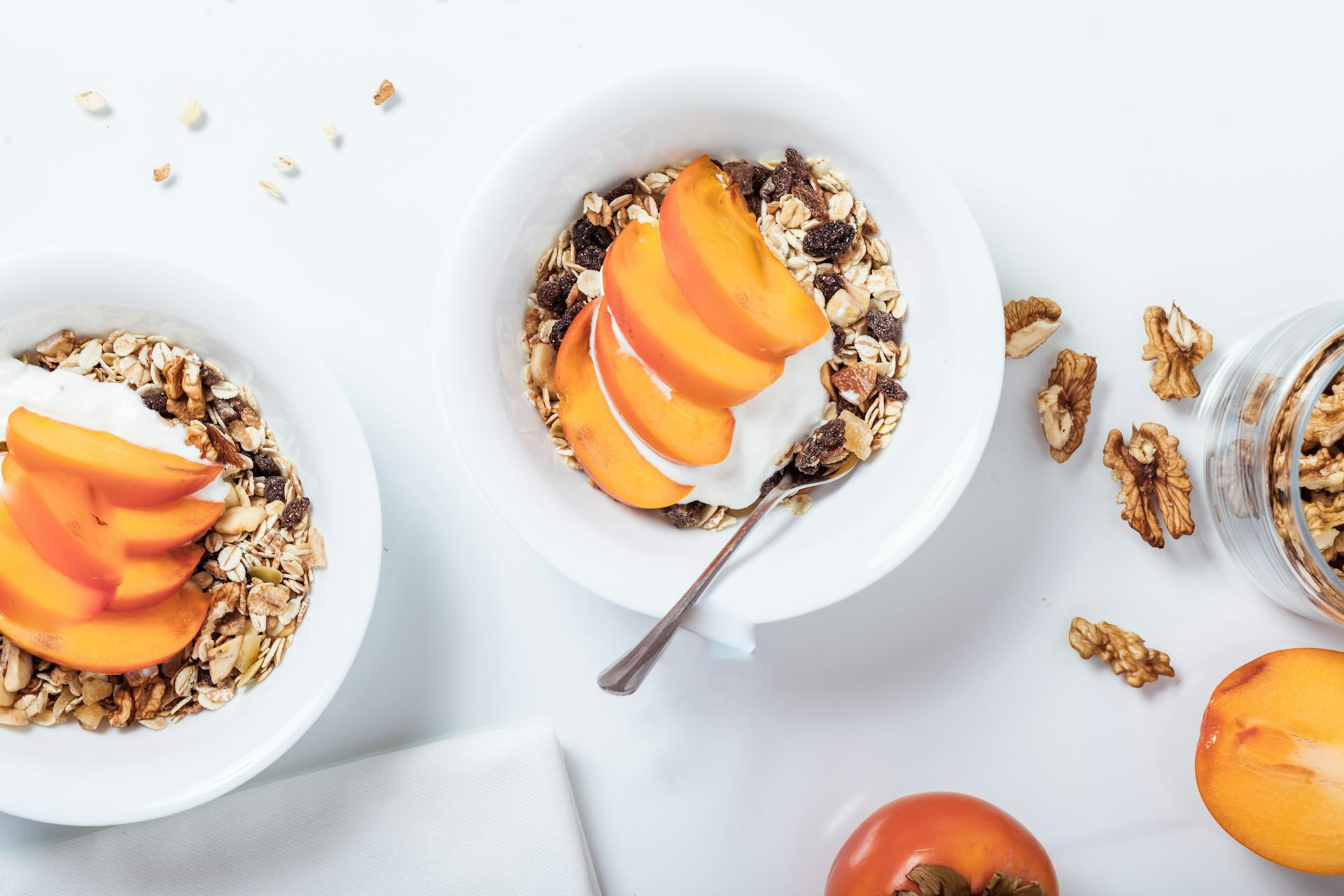
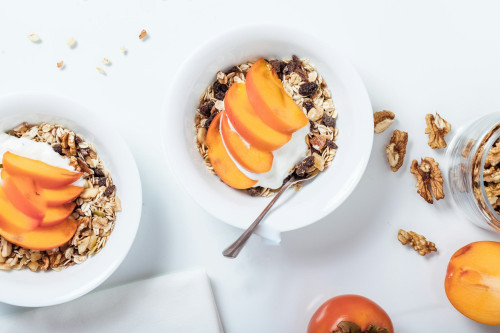
- After exercise: Eat within an hour—try Greek yogurt with berries and granola, or leftovers from dinner. This helps your body refuel and repair muscles.
Affordable Alternatives to Specialty Products
Many sports products are marketed as essential, but they’re often just convenient versions of regular food. Here are some simple, budget-friendly swaps:
- Protein bars → Make your own with oats, peanut butter, and honey.
- Sports drinks → Mix water with a splash of fruit juice and a pinch of salt.
- Recovery shakes → Drink a glass of milk or a smoothie with banana and yogurt.
- Energy gels → Eat dried fruit or a ripe banana for quick energy.
By using basic ingredients, you save money and avoid unnecessary additives.
Planning Makes It Easy
Healthy eating doesn’t require more time—just a little organization. Cook larger portions so you have leftovers for lunch or post-workout meals. Keep quick options on hand: boiled eggs, whole-grain bread, fruit, and nuts. That way, you can make healthy choices even on busy days.
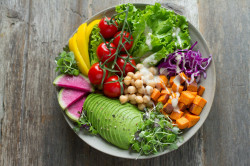
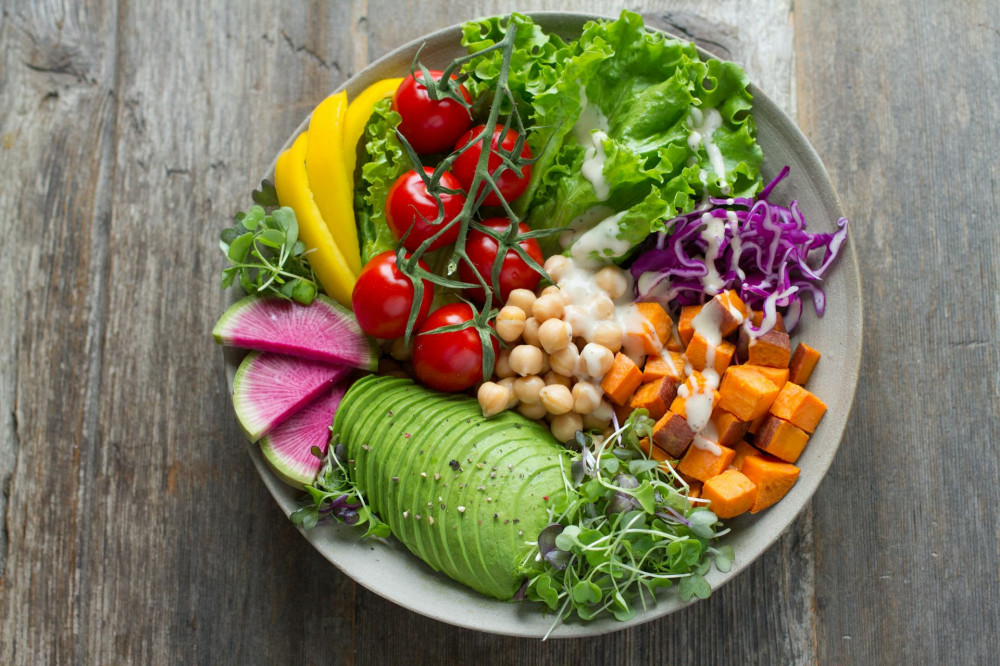
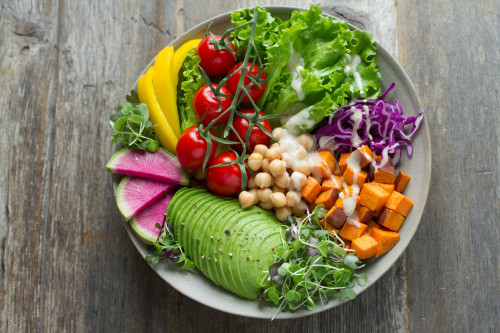
A good rule of thumb is to think in colors: the more colors on your plate, the more variety of nutrients you’re getting. This approach helps you eat balanced meals without counting calories or macros.
Listen to Your Body – Not the Ads
There’s no single perfect diet for everyone. Some people feel best with more carbs, others with a bit more protein. The key is to pay attention: Do you have energy for your workouts? Do you feel satisfied after meals? Are you sleeping well? If so, you’re likely on the right track.
Don’t be swayed by marketing that promises quick results. A healthy, active lifestyle is about balance, not products. Your body is built to thrive on real food—it’s cheaper, healthier, and more sustainable.
Health Is About the Whole Picture
Eating well as an active person isn’t just about food—it’s about how you live. Sleep, stress, and the joy of movement matter just as much as nutrition. When you eat a variety of foods, stay hydrated, rest well, and enjoy being active, you’ll get the most out of your efforts—without spending a fortune on specialty products.
Læs også: