Homeliness on the Plate: How Food Culture Shapes Our Identity

Homeliness on the Plate: How Food Culture Shapes Our Identity
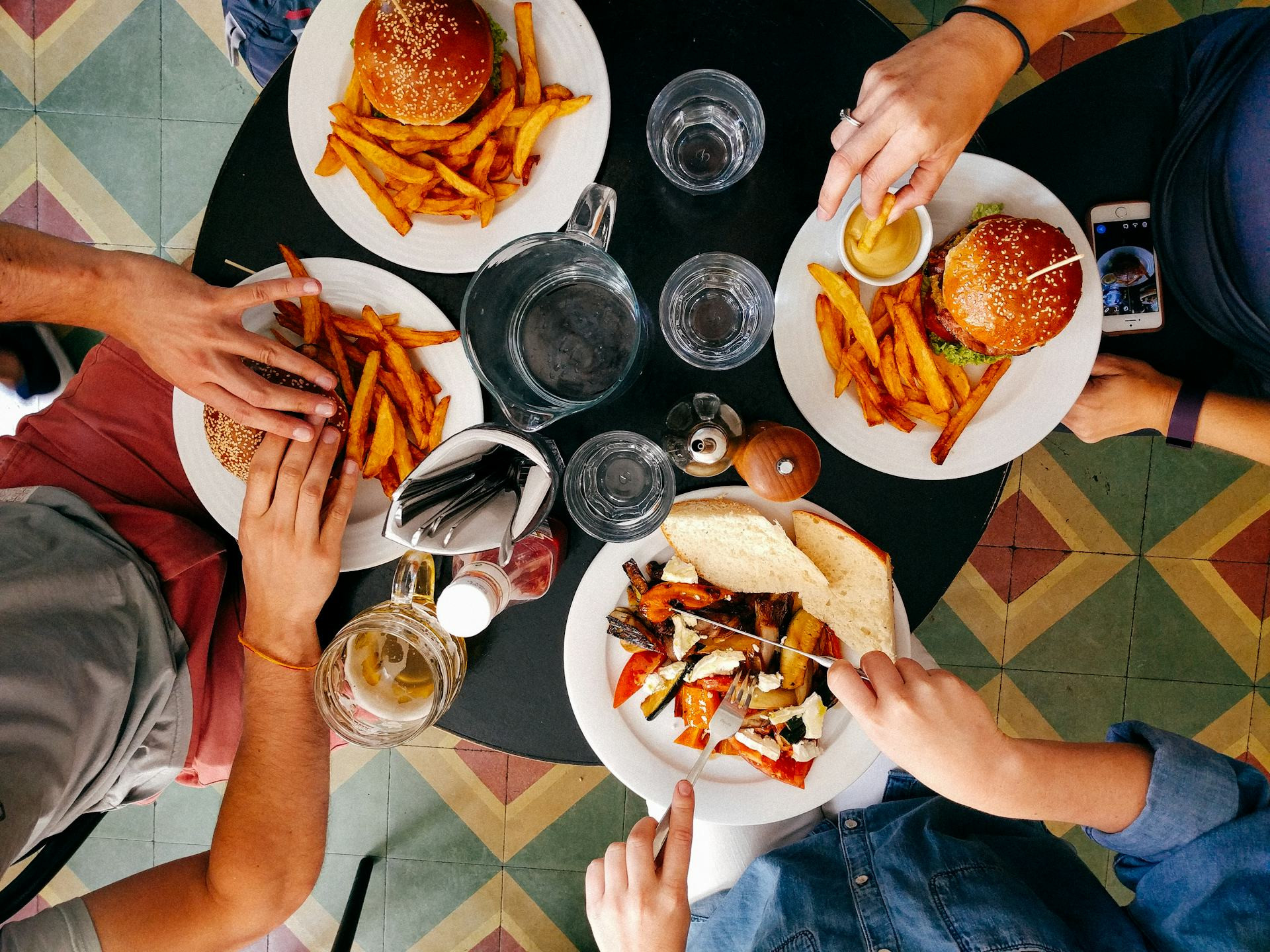
Food is more than sustenance—it’s a story about who we are, where we come from, and how we connect to the world around us. When the smell of freshly baked cornbread fills the kitchen or when friends gather around a pot of chili on a cold evening, it’s not just about taste. It’s about belonging, tradition, and community. Our food culture is a reflection of our identity—both personal and collective.
Taste as Memory
Many of us associate certain dishes with childhood, family, and comfort. A slice of apple pie might bring back memories of Sunday dinners, while the aroma of barbecue can transport us to summer gatherings in the backyard. Taste and smell are deeply tied to memory, making food a powerful way to relive the past.
When we move away from home, travel, or settle in a new place, food often becomes an anchor. We crave the dishes that feel like “home” because they offer continuity in unfamiliar surroundings. That’s why Americans abroad might search for peanut butter, bake chocolate chip cookies, or cook a Thanksgiving-style meal—it’s not just about flavor, but about identity.
Læs også:
Traditions That Bind Us
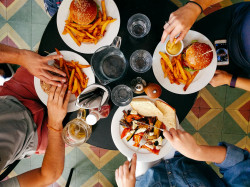
Food culture is also a shared language. Holidays, family reunions, and everyday meals are all occasions where we express who we are and what we value. Thanksgiving without turkey or the Fourth of July without a cookout feels incomplete for many, because the food is part of the ritual that creates togetherness.
At the same time, traditions evolve. New ingredients and influences from other cultures find their way into our kitchens. Sushi, tacos, and curry are now as common as burgers and mashed potatoes. This shows that food culture isn’t static—it’s alive and changing, just like society itself.
The Global Kitchen
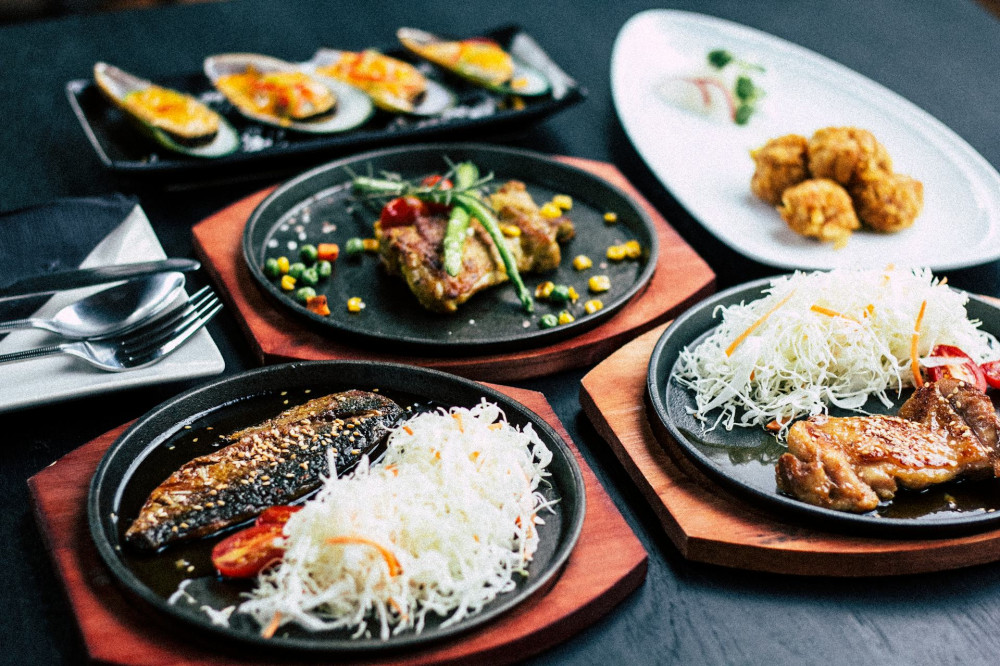
In a globalized world, food has become a way to explore and understand other cultures. We travel, watch cooking shows from around the globe, and experiment with new flavors at home. This broadens our horizons but also makes us reflect on what “our” food really means.
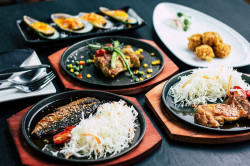
For some, globalization raises concerns about losing local traditions. For others, it’s an enrichment that allows for new, blended identities. A family that enjoys Korean barbecue on a weeknight and roast turkey at Thanksgiving embodies how food can bridge cultures and create new forms of belonging.
Food as a Social Marker
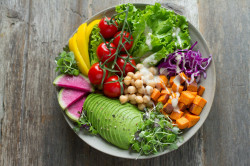
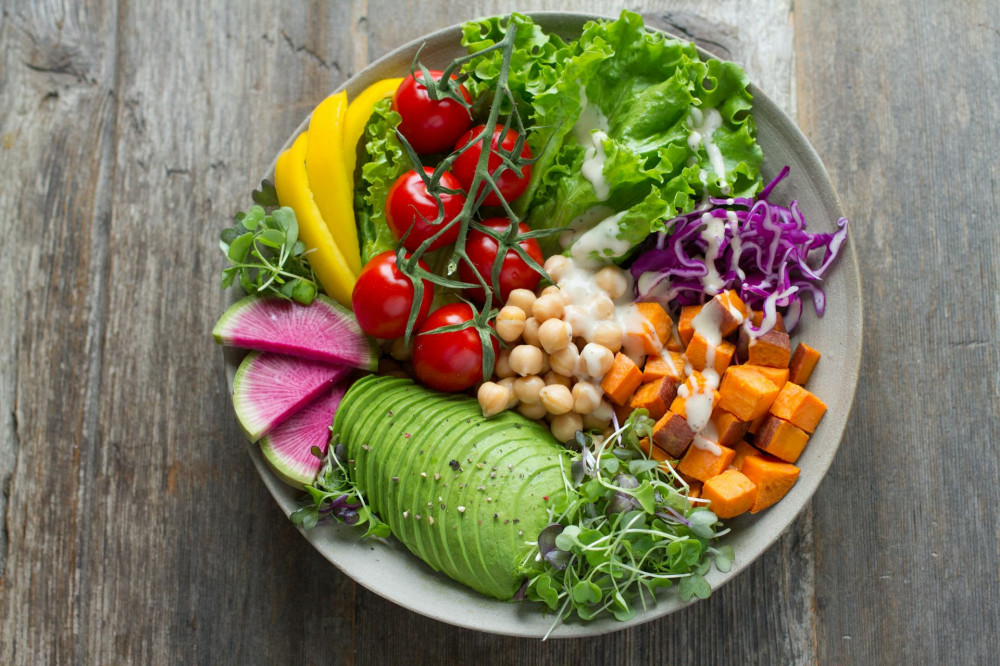
What we eat also says something about our values and lifestyle. Choosing organic, vegan, or locally sourced food can express ethics, environmental awareness, or personal identity. Today, food is not just something we consume—it’s something we communicate with. Social media is filled with images of meals that tell stories about who we are and what we stand for.
But food can also divide. What and how we eat can highlight differences between generations, social groups, and cultural backgrounds. Food culture is both inclusive and exclusive—it can bring people together, but it can also set them apart.
Finding Home in a Changing World
In a time when many live busy lives and often eat on the go, the home-cooked meal can feel like a sanctuary. Cooking from scratch, setting the table, and sharing a meal become ways to slow down and reconnect. It’s not only about health—it’s about creating a sense of home amid constant change.
Food culture shapes our identity because it connects us—to our past, to one another, and to the values we choose to live by. Whether it’s a classic American dish or a new creation inspired by global flavors, the food on our plate tells a story about who we are.
Læs også: